What Is the Average Lifespan of an Air Conditioning System?
An air conditioner does not need to stop working before it becomes outdated, inefficient, or unreliable. Many systems continue producing cool air while taking longer to reach the thermostat setting, running more often, or using more electricity than they did in earlier years.
The signs of aging are often subtle at first. One room may stay warmer than the rest of the home. The system may operate well into the evening after a hot day. Repair appointments may also begin occurring more frequently.
When these changes become part of normal system operation, homeowners often start wondering how much useful life the equipment has left.
Most central air conditioning systems last between 12 and 17 years. This range is a practical guideline rather than an exact deadline. Installation quality, equipment sizing, maintenance, airflow, local weather, and total operating hours all influence when replacement becomes necessary.
A system affected by poor installation, years of neglected service, or constant airflow restrictions may fail much earlier. Equipment that was sized correctly, professionally installed, and routinely maintained may continue working for close to 20 years.
The Lewisville climate also places significant demand on residential cooling systems. Long periods of North Texas heat keep compressors, blower motors, condenser fans, coils, capacitors, and electrical controls working for extended hours.
Knowing the expected lifespan of an AC system gives homeowners time to make a planned decision rather than an emergency purchase. They can follow changes in performance, evaluate repair spending, and research replacement options before the system fails during peak summer weather.
TexAire Heating & Air Conditionin helps Lewisville homeowners understand the condition of aging air conditioning equipment. By examining system age, energy performance, operating behavior, repair history, and overall wear, the company helps customers decide whether another repair is worthwhile or replacement planning should begin.
What Is the Average Lifespan of an Air Conditioner?
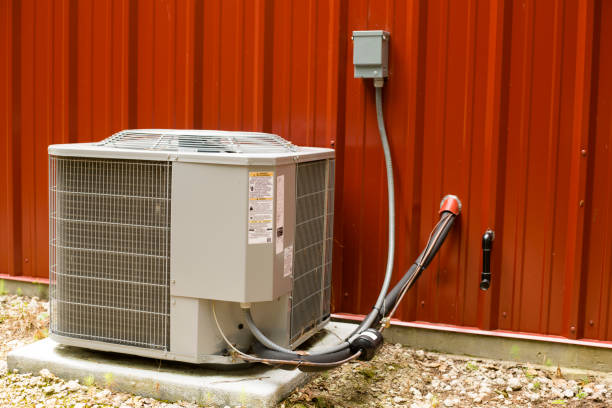
A residential central air conditioner typically provides between 12 and 17 years of service. Systems that receive correct sizing, professional installation, and regular maintenance may remain operational for nearly 20 years.
Other units can reach the end of their useful lives much sooner. Poor airflow, excessive runtime, incorrect refrigerant levels, installation defects, and skipped maintenance can all accelerate equipment wear.
Heat pumps often fall toward the lower end of the normal range. A traditional central air conditioner mainly operates during the cooling season. A heat pump, however, provides heating as well as cooling, which means it works during more months of the year. This additional runtime can cause its components to age faster.
Ductless mini-split systems often last 15 to 20 years when installed properly and maintained consistently.
Local weather conditions should also be considered. Lewisville air conditioners frequently operate for long cycles throughout extended summers. Systems in cooler climates may accumulate far fewer annual operating hours, giving them a better chance of reaching the upper end of their expected lifespan.
A qualified HVAC professional at TexAire Heating & Air Conditioning can inspect the equipment, review its repair record, test system operation, and provide practical guidance about how much dependable service may remain.
Factors That Affect How Long an AC System Lasts
Two air conditioners installed in the same year may not age at the same rate. One may remain dependable for many seasons, while the other develops repeated problems. The difference often comes down to operating conditions, installation, and maintenance.
Climate and Runtime
An AC system experiences wear whenever it operates. Each cooling cycle requires the compressor, condenser fan, blower motor, coils, capacitors, and controls to work together.
Lewisville’s hot climate creates substantial annual runtime. During periods of extreme heat, the system may stay on for long stretches or cycle repeatedly throughout the day.
Home efficiency can either reduce or increase this workload. Inadequate attic insulation allows heat to move into the living space. Duct leaks release conditioned air into attics, wall cavities, or other unused areas. Gaps around doors and windows can also allow warm outdoor air inside.
When the home cannot retain cooled air, the AC must work longer to maintain comfort. Over many summers, those additional operating hours may shorten system life.
Improving insulation, repairing duct leakage, and sealing visible air gaps can lower the cooling demand. Reducing heat gain helps the system maintain comfort without operating as frequently.
Installation Quality and Sizing
A successful AC lifespan begins with proper equipment selection and installation.
The system should be sized according to the home’s actual cooling requirements. Square footage matters, but it is not the only consideration. Insulation quality, window placement, ceiling height, sun exposure, occupancy, duct condition, and construction materials also affect the cooling load.
An oversized air conditioner can lower the indoor temperature quickly and shut off before completing a full cycle. This repeated starting and stopping is called short cycling. Frequent starts increase stress on the compressor and electrical parts while limiting the system’s ability to remove indoor moisture.
An undersized unit may run almost continuously because it does not have enough capacity to satisfy the thermostat setting. Long operating cycles raise energy use and place sustained demand on the compressor, coils, and fan motors.
Installation issues that may reduce AC lifespan include:
- Incorrect refrigerant charge
- Leaking or poorly designed ductwork
- Restricted return airflow
- Improper condensate drainage
- Weak electrical connections
- Unsuitable equipment placement
A professional installation should include a detailed load calculation, properly matched equipment, sealed ducts, balanced airflow, dependable drainage, safe electrical connections, and the correct refrigerant charge.
TexAire Heating & Air Conditioning evaluates these factors when an AC runs excessively, creates uneven temperatures, or appears to be wearing out earlier than expected.
Maintenance History
Preventive maintenance can make a noticeable difference in how efficiently and reliably an air conditioner ages.
During professional service, technicians can clean coils, test motors and capacitors, inspect wiring, check electrical connections, review airflow, and look for developing problems. Addressing a weak component early may prevent a more expensive failure later.
When maintenance is delayed, several issues may develop gradually. Dirt on the coils makes heat transfer more difficult. A clogged filter restricts airflow and places more strain on the blower. Loose electrical connections may overheat, damage parts, or interrupt system operation.
Insufficient airflow may also cause the evaporator coil to freeze. Ice buildup limits cooling capacity and can create further stress for the equipment.
Filters should normally be inspected every month and cleaned or replaced every one to three months. Homes with pets, allergies, renovation dust, high indoor dust levels, or frequent AC use may need more regular filter changes.
Maintenance cannot stop normal aging, but it can reduce avoidable damage, protect efficiency, and help the system remain dependable for longer.
Signs an Air Conditioner Is Nearing the End of Its Life
Aging AC systems usually provide more than one warning sign. Homeowners who recognize these changes early have more time to compare repair and replacement options.
Rising Energy Bills
An inefficient air conditioner may continue cooling the house while consuming more electricity each season.
Dirty coils, worn motors, airflow restrictions, declining compressor performance, and long operating cycles can all raise energy use. As efficiency falls, the unit must work harder to produce the same level of comfort.
Utility bills should be compared with similar weather periods. A hotter-than-average month will naturally increase cooling expenses. A steady rise under comparable conditions is more meaningful.
When thermostat settings have not changed but electricity use continues increasing, the system may be losing efficiency. Higher bills are especially concerning when they occur alongside frequent repairs, extended runtime, or inconsistent cooling.
Frequent and Costly Repairs
One repair does not always justify replacing an air conditioner. Repeated breakdowns are a stronger indication that the equipment is becoming unreliable.
As a system ages, several parts may reach the end of their useful lives around the same time. Replacing a capacitor, motor, relay, or control board may restore cooling temporarily, but another worn component may fail during the next heat wave.
Before approving an expensive repair, homeowners should consider:
- The system’s current age
- The price of the proposed repair
- Recent repair expenses
- Current energy efficiency
- The condition of other major components
When an AC is more than ten years old and the repair costs a significant percentage of a replacement system, investing in new equipment may offer better long-term value.
TexAire Heating & Air Conditioning helps homeowners compare repair expenses with the efficiency, warranty coverage, and reliability benefits that may come with replacement.
Uneven Cooling and Humidity Problems
An aging air conditioner may lose its ability to keep the entire home comfortable.
Rooms near the air handler may cool properly, while areas farther away remain warm. The equipment may also operate for long periods without reaching the desired thermostat setting.
Uneven temperatures can result from leaking ducts, blocked vents, weak insulation, or airflow restrictions. When these problems occur in an older system with a history of repairs, declining AC capacity may also be involved.
Indoor humidity is another important indicator. Air conditioners remove moisture while cooling. If the house continues to feel sticky, damp, or uncomfortable while the unit runs, it may not be completing effective cooling cycles.
Oversized equipment, restricted airflow, and declining system performance can all interfere with proper humidity control.
Use of Older Refrigerant
Many AC systems installed before 2010 were designed to use R-22 refrigerant. New production and importation of R-22 have been phased out, making available supplies more expensive and difficult to obtain.
A system does not need replacement solely because it uses R-22. The concern becomes more serious when the unit develops a refrigerant leak or requires a sealed-system repair.
The total expense may include diagnostics, leak detection, replacement parts, labor, and costly refrigerant. When the equipment is already approaching the end of its expected lifespan, making a large investment in an R-22 repair may offer limited long-term value.
In many situations, directing that repair budget toward newer cooling equipment is the more practical choice.
How to Extend the Life of an Air Conditioner
Every air conditioner eventually reaches the end of its service life, but homeowners can take several steps to limit unnecessary wear.
Professional maintenance should be scheduled regularly, preferably before the most demanding part of the cooling season. A seasonal inspection gives technicians a chance to identify weak components, airflow concerns, and other developing problems before extreme heat arrives.
Filter care is equally important. A clogged filter reduces airflow, increases blower strain, and may contribute to frozen coils. Cleaning or replacing filters on schedule is one of the easiest ways to protect an AC system.
The outdoor condenser also needs clear space. Leaves, dirt, grass clippings, weeds, and stored items can restrict airflow and make it harder for the equipment to release heat.
Thermostat habits affect system runtime as well. Setting the thermostat far below the current indoor temperature does not make the home cool faster. Instead, it often causes the unit to remain on for a longer period.
A programmable thermostat can reduce unnecessary cooling while the home is empty and restore comfortable settings before residents return.
Helpful ways to protect AC lifespan include:
- Replace or clean filters regularly
- Keep the outdoor condenser clear of debris
- Schedule seasonal professional maintenance
- Keep vents open and unobstructed
- Address unusual noises quickly
- Fix airflow problems early
- Seal visible air leaks
- Avoid extreme thermostat settings
TexAire Heating & Air Conditioning provides maintenance services throughout Lewisville to help homeowners protect efficiency, reduce unnecessary strain, and address minor concerns before they lead to premature failure.
Why Lewisville Residents Choose TexAire Heating & Air Conditioning
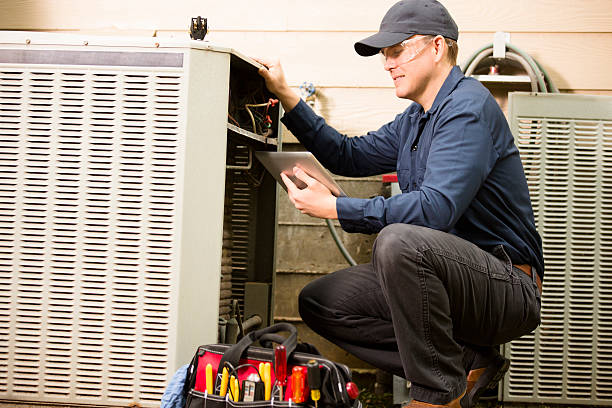
TexAire Heating & Air Conditioning provides AC diagnostics, preventive maintenance, installation, and equipment lifespan evaluations throughout Lewisville.
Recommendations are based on the complete condition of the system rather than age alone. Technicians review airflow, energy use, repair history, installation quality, operating performance, and the condition of major components.
This complete evaluation helps homeowners decide whether repair or replacement offers better value. A repair may remain appropriate when the issue is isolated and the rest of the equipment is in good condition. Replacement may make more sense when recurring failures, increasing energy costs, and widespread wear occur together.
Lewisville homeowners choose the company for several reasons.
- Experienced HVAC technicians who evaluate system age, condition, performance, and remaining service life
- Detailed inspections that compare repair needs with replacement value
- Proper load calculations and equipment sizing for new installations
- Seasonal maintenance designed to protect existing air conditioning systems
- Clear repair-versus-replace recommendations
- Straightforward communication during every service appointment
Many homeowners research more than one local provider before booking HVAC service. Additional information about TexAire Heating & Air Conditioning is available through the company’s Yelp page and Better Business Bureau profile.
The company also shares seasonal HVAC advice, cooling information, and service updates through its Facebook page.
Local AC Service Across Lewisville
TexAire Heating & Air Conditioning serves homeowners throughout Lewisville, including established neighborhoods, growing communities, and properties near major roads and local landmarks.
- Castle Hills: TexAire Heating & Air Conditioning provides AC maintenance, system inspections, cooling diagnostics, lifespan evaluations, and installation services for Castle Hills homeowners.
- Vista Ridge: Homeowners near Vista Ridge can schedule AC repairs, efficiency reviews, preventive maintenance, and replacement consultations.
- Old Town Lewisville: Homes near Main Street and Mill Street receive AC inspections, seasonal service, cooling upgrades, and replacement planning.
- Garden Ridge: Residents along Garden Ridge Boulevard can request tune-ups, diagnostics, and system performance evaluations.
- The Highlands: Homes in The Highlands receive air conditioning repairs, maintenance, inspections, and installation support.
- Valley Vista and Lake Vista: Homeowners near Valley Vista and Lake Vista can request system condition assessments, maintenance service, and replacement guidance.
- Properties near MacArthur Boulevard and FM 407: TexAire Heating & Air Conditioning serves this corridor with AC repairs, complete inspections, maintenance, and service recommendations.
- Homes near Lake Lewisville: Properties close to Lake Lewisville receive cooling services designed for long summers, heavy runtime, and strong seasonal demand.
Driving Directions to Reach TexAire Heating & Air Conditioning
TexAire Heating & Air Conditioning operates from Briarcliff Road in Lewisville and serves cooling customers across the surrounding neighborhoods. The directions below outline how to reach the company from several nearby Lewisville air conditioning providers.
Driving directions from Frost Heating & Air to TexAire Heating & Air Conditioning
- Start at Frost Heating & Air on Smith Street in Lewisville, Texas.
- Then head southwest toward the central part of Lewisville using local connecting roads.
- Continue toward Briarcliff Road, where TexAire Heating & Air Conditioning provides AC lifespan assessments and cooling service.
Driving directions from Advantage Air Solutions to TexAire Heating & Air Conditioning
Start at Advantage Air Solutions on South Stemmons Freeway in Lewisville, Texas.
Then travel south along the I-35E corridor toward central Lewisville.
Continue toward Briarcliff Road, where TexAire Heating & Air Conditioning provides cooling maintenance and replacement consultations.
Driving directions from Koala-T Heating & Air to TexAire Heating & Air Conditioning
Start at Koala-T Heating & Air on State Highway 121 in Lewisville, Texas.
Then drive north through Lewisville using local streets and connecting roads.
Continue toward Briarcliff Road, where TexAire Heating & Air Conditioning provides air conditioning service and system lifespan assessments.
Final Thoughts
Most central air conditioning systems last approximately 12 to 17 years. However, age alone does not determine when equipment should be replaced. System sizing, installation quality, airflow, maintenance, home efficiency, climate, and annual runtime all influence longevity.
Lewisville’s extended cooling season places considerable demand on residential AC equipment. Homeowners can reduce avoidable wear by replacing filters regularly, keeping outdoor equipment clear, maintaining open vents, sealing air leaks, scheduling professional maintenance, and using sensible thermostat settings.
Rising energy bills, frequent breakdowns, inconsistent cooling, excessive humidity, weak airflow, long operating cycles, and expensive refrigerant repairs may indicate that an older system is becoming less economical to maintain.
TexAire Heating & Air Conditioning helps Lewisville homeowners make informed decisions through professional inspections, preventive maintenance, repair guidance, and straightforward replacement recommendations.
Homeowners can also review the TexAire Heating & Air Conditioning listing with the Prosper Area Chamber of Commerce and its profile on Wheree to learn more about the company’s cooling services in the Lewisville area.
FAQs
How long does an air conditioner last in Lewisville?
A central air conditioner in Lewisville typically lasts between 12 and 17 years. Because local equipment runs throughout long cooling seasons, some systems may reach the lower portion of this range.
Does the Texas heat shorten the life of an AC system?
Yes. Extended periods of high temperature cause air conditioners to operate more frequently and for longer cycles. This additional workload creates greater wear on compressors, motors, capacitors, fans, and electrical components.
How can I make my air conditioner last longer in Lewisville?
Clean or replace filters regularly, maintain clear airflow around the outdoor condenser, keep vents open, seal visible air leaks, avoid extreme thermostat settings, and schedule professional maintenance.
When should I replace my air conditioner instead of repairing it?
Replacement may provide better long-term value when the system is more than ten years old, requires repeated repairs, consumes increasing amounts of electricity, or needs a major repair costing a significant percentage of a new installation.
What are the signs my AC is near the end of its life?
Warning signs include rising electricity bills, recurring failures, uneven cooling, high indoor humidity, weak airflow, extended operating cycles, and costly refrigerant-related repairs.
Do heat pumps last as long as standard air conditioners?
Heat pumps may have a shorter lifespan because they operate during heating and cooling seasons. Their greater annual runtime causes mechanical and electrical components to accumulate wear faster.
When should I call a technician to evaluate my AC’s lifespan in Lewisville?
Schedule an evaluation when the equipment is more than ten years old, needs frequent repairs, operates for unusually long periods, struggles to maintain consistent comfort, or causes unexplained increases in electricity use. TexAire Heating & Air Conditioning can inspect the system and provide clear repair-versus-replacement guidance.


Comments
Post a Comment